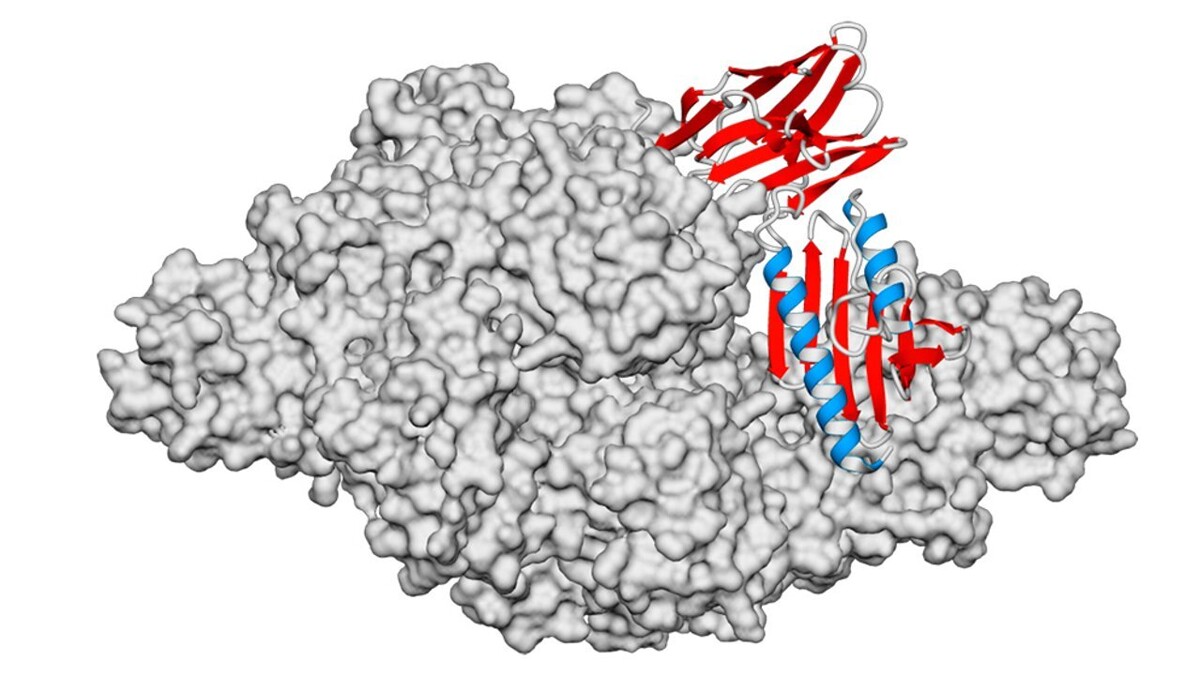
Scientists from the National Council for Scientific and Technical Research (CONICET) and the University of Buenos Aires (UBA) have developed, for the first time, nanobodies to combat Friedreich's ataxia (FA), a genetic disease that affects approximately one in 50,000 people and is characterized by progressive damage to the nervous system and cardiac complications. Currently, treatments exist that slow its progression, but there is no cure for this disorder. In this new work, the researchers managed to stabilize these pathological proteins in in vitro studies and inside human cells. "We are currently working with cells donated by patients through hospital biobanks," explained Javier Santos, one of the leaders of the research at the Institute of Biosciences, Biotechnology, and Translational Medicine (iB3-FBMC) of UBA. The researcher indicated that the objective of the research is "to contribute to the development of superior, effective, and accessible therapeutic strategies for people".
How the nanobodies were obtained. The first step in this work was to immunize a llama. It was injected with the wild-type variant of human frataxin so that its immune system would generate heavy-chain antibodies (VHH domains) capable of binding specifically to correctly folded conformations. "The nanobodies that we will use in the continuation of this work are small molecules derived from the antibodies produced by the immune system of camelids. They have the ability to penetrate cell membranes, locate in mitochondria, and stabilize defective frataxin proteins," explained María Florencia Pignataro, first author of the work and a CONICET researcher at iB3. Finally, the researcher indicated that the knowledge obtained in this work "could help identify new therapeutic strategies to restore mitochondrial function in the tissues affected by Friedreich's ataxia".